

Upholstery How-To: Master Your Skills Today!

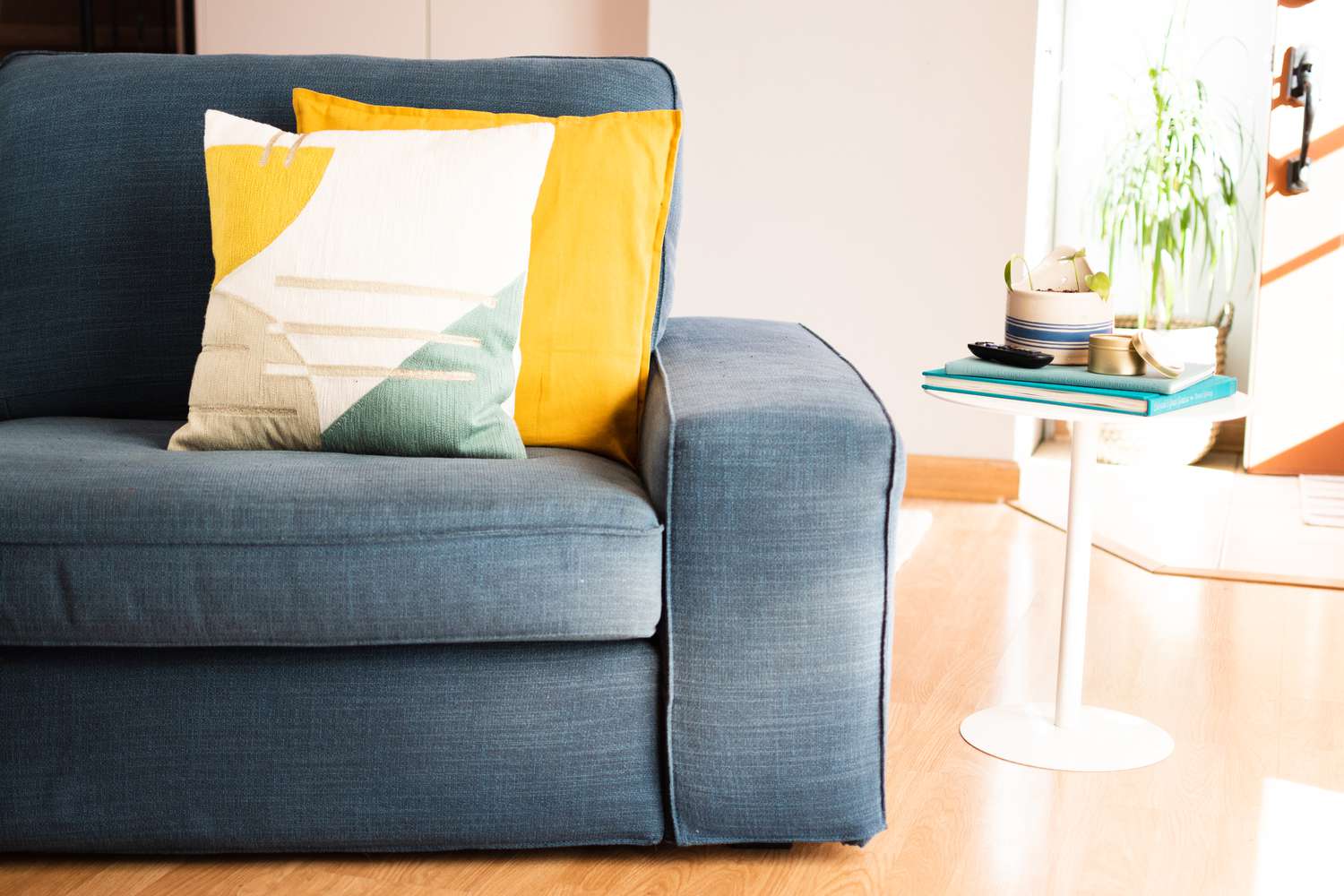
Upholstery is an art form that transforms ordinary furniture into exquisite pieces that enhance the aesthetics and comfort of our living spaces. It encompasses a variety of techniques, materials, and design principles that breathe new life into old furniture or create entirely new works of art. From residential couches to commercial seating, upholstery is crucial in defining the character of any interior environment. In an age where sustainability and personalization are gaining prominence, the revival of traditional upholstery methods combined with modern innovations offers endless possibilities for homeowners and designers alike.
In this article, we will explore the fundamentals of upholstery, including the types of materials used, various styles, and the essential tools and techniques that every upholsterer should know. Whether you are a seasoned professional or a DIY enthusiast, understanding the intricacies of upholstery can empower you to make informed choices when it comes to enhancing your furniture. Join us on this journey as we delve into the history, trends, and practical tips that will help you appreciate and master the craft of upholstery.
Types of Upholstery Materials
Upholstery materials play a pivotal role in determining the overall look and comfort of furniture. Common fabric choices include natural fibers like cotton, linen, and wool, as well as synthetic options such as polyester and nylon. Each material presents its own set of advantages and aesthetic qualities, influencing not just the visual appeal but also the durability and maintenance of the upholstery. Leather, which offers a luxurious feel and exceptional longevity, continues to be a popular choice for both residential and commercial settings. When selecting materials, it’s essential to consider the intended use and environment, ensuring that the upholstery aligns with the lifestyle of the homeowner or business. For those seeking reliable and stylish upholstery services, Daylom & Vovo Upholstery Sydney provides exceptional craftsmanship tailored to individual needs.
Essential Upholstery Techniques
Mastering upholstery involves understanding various techniques that can significantly enhance the outcome of a project. Techniques such as stretching fabric, applying batting for added comfort, and ensuring proper alignment are essential skills for any upholsterer. Additionally, mastering the use of tools like staple guns, tack hammers, and sewing machines can streamline the process and ensure a professional finish. Learning about different styles, from traditional to modern, allows upholsterers to cater to diverse tastes and preferences. By familiarizing oneself with these techniques, both novice and experienced upholsterers can elevate their work, creating beautiful pieces that stand the test of time.
In conclusion, upholstery is more than just a practical endeavor; it is a celebration of creativity, craftsmanship, and personal expression. As we have explored, the selection of materials and mastery of techniques are foundational to the art of upholstery, enabling the transformation of both vintage and contemporary furniture into stunning focal points within any space. The blend of traditional methods with innovative approaches opens the door to limitless possibilities, allowing artisans and DIY enthusiasts alike to tailor their projects to suit their unique tastes and lifestyles. As upholstery continues to evolve, it will remain a vital component in the conversation about design, sustainability, and the cherished art of making our environments more beautiful and comfortable. Embracing this craft not only enhances our surroundings but also invites us to forge deeper connections with the spaces we inhabit and the stories we wish to tell through our furniture choices.
Upholstery is an art form that transforms ordinary furniture into exquisite pieces that enhance the aesthetics and comfort of our living spaces. It encompasses a variety of techniques, materials, and design principles that breathe new…