

The Ultimate Freight Management Guide

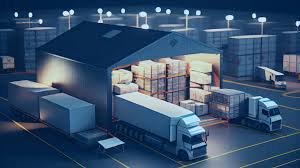
Freight management plays a crucial role in the supply chain industry, ensuring that goods are transported efficiently and cost-effectively from one point to another. It involves coordinating various aspects of the transportation process, including selecting carriers, optimizing routes, and tracking shipments in real-time. Effective freight management is essential for businesses to meet customer demands, reduce transportation costs, and improve overall operational efficiency.
With the rise of e-commerce and global trade, the demand for efficient freight management solutions has never been higher. Companies are constantly seeking ways to streamline their transportation operations while maintaining high levels of service. In this article, we will explore the importance of freight management, common challenges faced by businesses in this area, and strategies that can be implemented to enhance efficiency and profitability in the supply chain.
The Role of Technology in Freight Management
In today’s fast-paced supply chain industry, technology plays a pivotal role in enhancing freight management processes. Advanced software solutions and platforms like freight management solutions provide businesses with real-time visibility into their shipments, allowing them to track, manage, and analyze transportation data more effectively. These tools also help companies optimize routes, minimize delays, and reduce costs by automating tasks that were once manual. By leveraging technology, businesses can improve operational efficiency, meet customer demands, and stay competitive in a rapidly evolving market.
Addressing Common Challenges in Freight Management
Despite the benefits of technology, businesses still face several challenges in freight management. Issues such as capacity constraints, fluctuating fuel prices, regulatory compliance, and driver shortages can all impact the transportation process. By implementing proactive strategies and using innovative solutions like freight management solutions, companies can address these challenges more effectively. Collaborating with reliable carriers, optimizing shipping routes, and leveraging data analytics can help businesses overcome obstacles and enhance overall supply chain efficiency.
In conclusion, effective freight management is crucial for businesses to navigate the complexities of the supply chain industry and meet customer demands in a cost-effective manner. With the advancements in technology, companies now have access to tools and solutions that can revolutionize their transportation operations. By addressing common challenges such as capacity constraints and regulatory compliance, while leveraging innovative strategies, businesses can streamline their freight management processes and improve overall efficiency. Embracing technology and proactive approaches will not only help businesses overcome obstacles but also stay competitive in the ever-changing landscape of global trade and e-commerce.
Freight management plays a crucial role in the supply chain industry, ensuring that goods are transported efficiently and cost-effectively from one point to another. It involves coordinating various aspects of the transportation process, including selecting…